Introduction
Polycystic Ovarian Syndrome (PCOS) is a common hormonal disorder affecting women of reproductive age. It is a leading cause of infertility and can lead to several long-term health complications if left untreated. This article explores the causes, symptoms, diagnosis, and treatment options for PCOS.
What is PCOS?
PCOS is a hormonal imbalance that affects the ovaries, leading to irregular periods, excessive androgen levels, and the formation of multiple small cysts on the ovaries. It impacts metabolism, fertility, and overall health.
Causes of PCOS
The exact cause of PCOS is unknown, but several factors contribute to its development:
- Genetics: PCOS often runs in families.
- Insulin Resistance: High insulin levels can increase androgen production, leading to symptoms like acne and excessive hair growth.
- Hormonal Imbalance: Elevated levels of androgens disrupt ovulation and menstrual cycles.
- Inflammation: Chronic low-grade inflammation is commonly seen in women with PCOS.
Common Symptoms of PCOS
- Irregular Periods: Missed, prolonged, or unpredictable menstrual cycles.
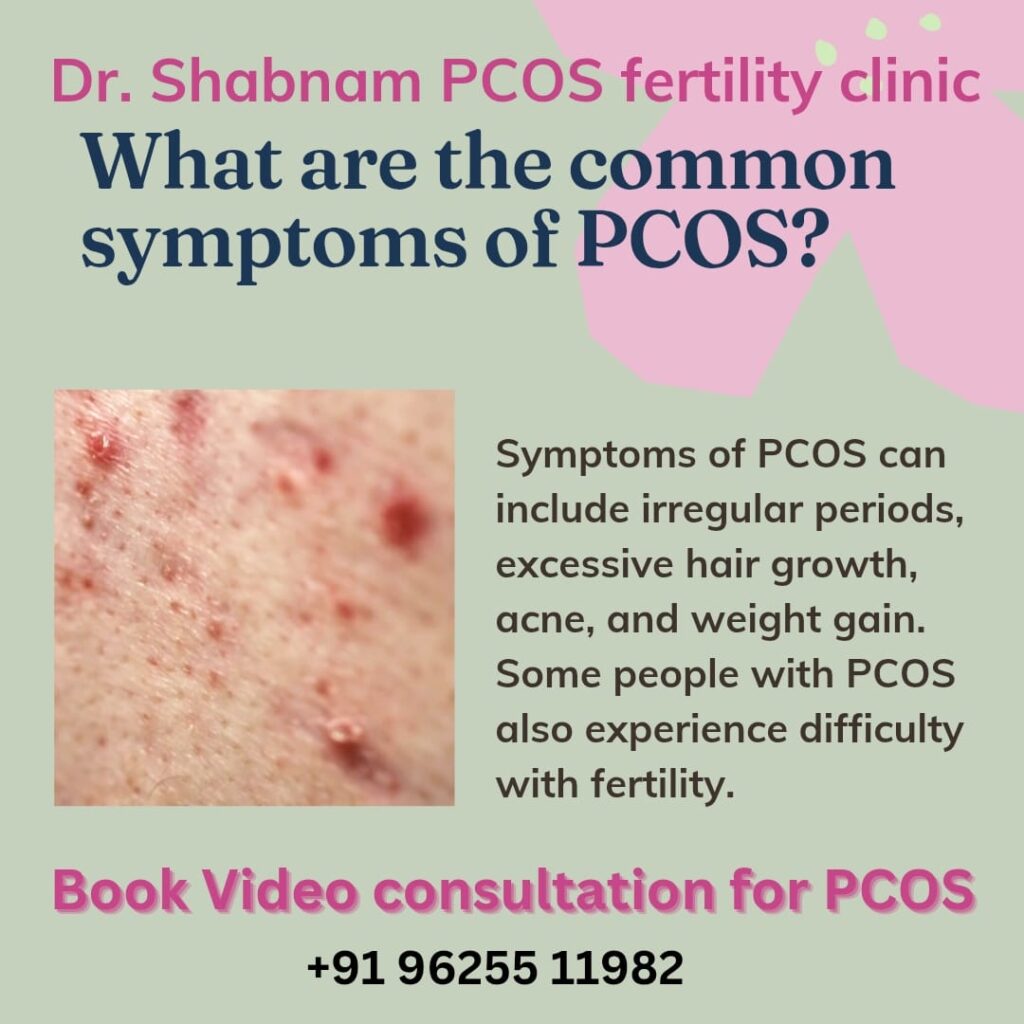
- Excess Androgen Levels: Leading to excessive facial and body hair (hirsutism), severe acne, and hair thinning.
- Polycystic Ovaries: Enlarged ovaries with multiple cysts detected via ultrasound.
- Weight Gain: Many women with PCOS struggle with obesity and difficulty losing weight.
- Infertility: Ovulation irregularities often lead to difficulty conceiving.
- Darkened Skin Patches: Commonly seen on the neck, groin, and under breasts (Acanthosis Nigricans).
How is PCOS Diagnosed?
A doctor may use the following methods to diagnose PCOS:
- Medical History & Symptom Evaluation
- Physical Examination
- Blood Tests: To check hormone levels, insulin resistance, and cholesterol.
- Ultrasound: To check for ovarian cysts and monitor the thickness of the uterine lining.
Treatment Options for PCOS
There is no cure for PCOS, but several treatment options help manage symptoms:
Lifestyle Modifications
- Diet: A balanced diet with low sugar and processed foods helps regulate blood sugar levels.
- Exercise: Regular physical activity improves insulin sensitivity and aids weight management.
Medications
- Birth Control Pills: Regulate menstrual cycles and reduce androgen levels.
- Metformin: Helps with insulin resistance and regulates periods.
- Clomiphene & Letrozole: Used for ovulation induction in women trying to conceive.
- Anti-Androgen Medications: Reduce excessive hair growth and acne.
Fertility Treatments
For women struggling with infertility due to PCOS, the following options are available:
- Ovulation Induction: Medications like Clomiphene or Letrozole stimulate ovulation.
- In Vitro Fertilization (IVF): A viable option for women who do not respond to medication.
Surgical Intervention
- Laparoscopic Ovarian Drilling (LOD): A minor surgical procedure to trigger ovulation in women who do not respond to medication.
Long-Term Health Risks of PCOS
If left untreated, PCOS can lead to severe health complications, including:
- Type 2 Diabetes
- High Blood Pressure
- Heart Disease
- Endometrial Cancer
- Sleep Apnea
- Mental Health Issues (Depression & Anxiety)
Conclusion
Polycystic Ovarian Syndrome (PCOS) is a lifelong condition that requires proper management through lifestyle changes and medical treatment. If you experience symptoms of PCOS, consult a healthcare provider for early diagnosis and appropriate treatment to reduce long-term complications. With the right approach, women with PCOS can lead healthy and fulfilling lives.
Stay tuned for more articles on PCOS-related topics, including symptoms, causes, treatments, and lifestyle tips!