1. Understanding PCOS:
Polycystic ovary syndrome (PCOS) is a hormonal condition that leads to multiple ovarian cysts, abnormal hair growth, and inflammation. Addressing PCOS Diet is essential for improving women’s health, especially those diagnosed with this condition.
PCOS symptoms,Polycystic ovary syndrome,PCOS online consultation,Best PCOS doctor,PCOS fertility treatment, pcos specialists,Best PCOS Doctors in India, Best PCOS Doctors in India,PCOS Treatment in India, Best PCOS Doctors in India
2. Importance of Diet in PCOS Management:
A balanced PCOS Diet is crucial as individuals with PCOS are prone to obesity, systemic inflammation, metabolic syndrome, and insulin resistance. These factors elevate the risk of diabetes, cardiovascular disease, and other gynecological conditions. Clinical dietitian Amanda Stathos from Johns Hopkins’ Sibley Memorial Hospital emphasizes the role of nutrition in managing PCOS symptoms.
PCOS symptoms,Polycystic ovary syndrome,PCOS online consultation,Best PCOS doctor,PCOS fertility treatment, pcos specialists,Best PCOS Doctors in India, Best PCOS Doctors in India,PCOS Treatment in India, Best PCOS Doctors in India
3. Insulin Resistance in PCOS:
Insulin resistance affects 50% to 75% of people with PCOS, leading to glucose buildup in the bloodstream and fat cells, increasing the risk of diabetes. A PCOS Diet aimed at reducing insulin resistance and maintaining a healthy weight is vital.
4. Recommended Diet for PCOS:
The Mediterranean diet is highly recommended for PCOS sufferers. It includes a variety of foods that support women’s health, making it a sustainable lifestyle choice. This diet minimizes saturated fats, processed meats, and refined sugar, which are linked to inflammation and other gynecological conditions
5. Foods to Avoid in a PCOS Diet:
To manage PCOS effectively, avoid foods that exacerbate inflammation:
- Fried foods (e.g., French fries, potato chips)
- Saturated fats (e.g., butter, margarine)
- Red meat (e.g., hamburgers, steaks)
- Processed snacks (e.g., cakes, cookies, pies)
- Sugary beverages (e.g., sodas, sports drinks)
- Alcoholic beverages
- Refined flour and white bread
- White rice
6. Best Foods for a PCOS Diet:
Incorporating the following foods can help manage PCOS symptoms:
- Omega-3 rich fish (e.g., salmon)
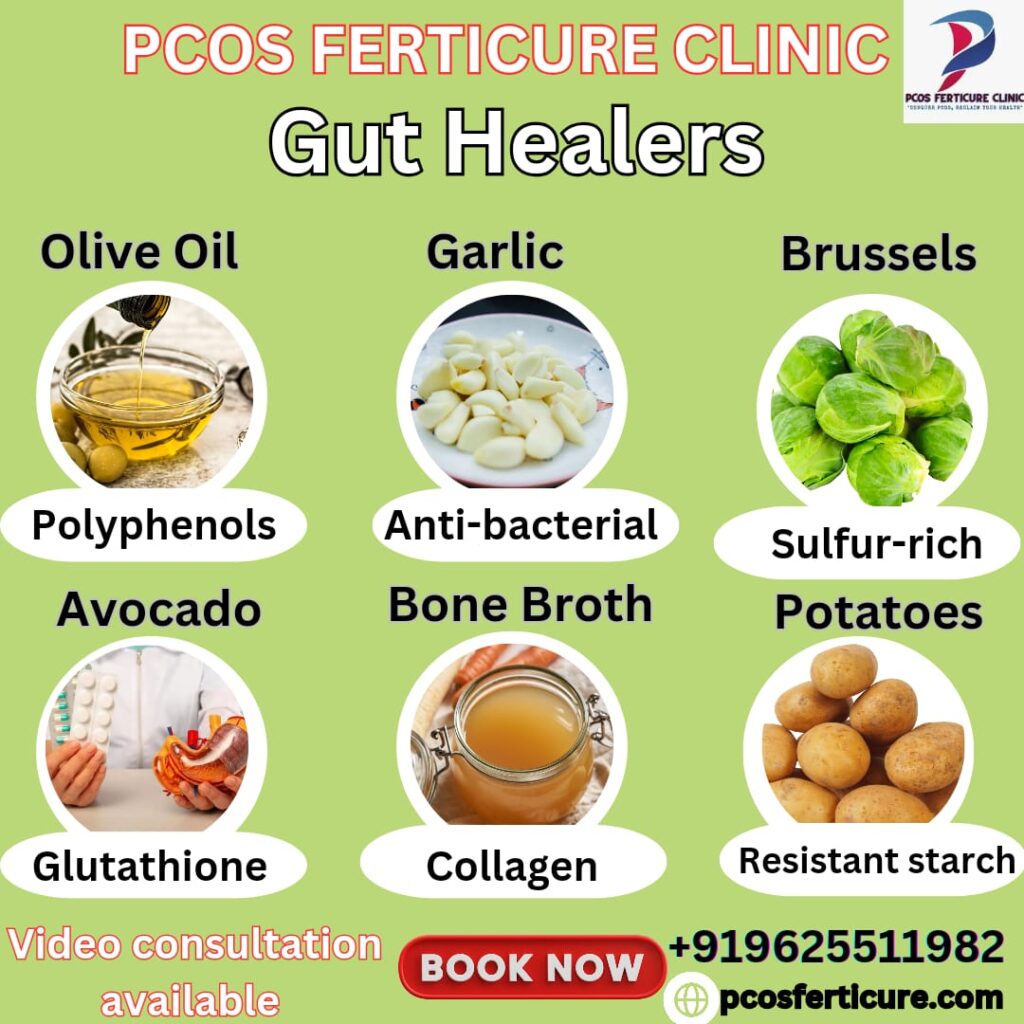
- Olive oil instead of butter or margarine
- Beans and legumes as protein sources
- Non-starchy vegetables (e.g., leafy greens, tomatoes, mushrooms)
- Whole grains (e.g., brown rice, barley)
- Whole fruits for dessert
- Plenty of water and low-sugar beverages
7. Approach Fad Diets with Caution:
While weight loss is essential for controlling insulin resistance, fad diets that eliminate entire food groups may not be sustainable. A PCOS Diet should focus on low-glycemic carbohydrates, balanced meals, and consistent blood sugar levels.
8. Importance of a Holistic Approach:
Combining a PCOS Diet with exercise, proper sleep, and stress management can significantly improve women’s