Understanding PCOS and Its Impact on Pregnancy
- Polycystic Ovary Syndrome (PCOS) is a common hormonal disorder affecting women of reproductive age.
- Hormonal Imbalance: PCOS leads to high levels of androgens (male hormones), luteinizing hormone (LH), and follicle-stimulating hormone (FSH), which affect ovulation.
- Ovarian Cysts: PCOS is often associated with multiple small cysts on the ovaries.
- Menstrual Irregularities: Women with PCOS may experience irregular periods, missed cycles, or heavy bleeding.
- Ovulation Problems: Due to hormonal disruptions, ovulation may become infrequent or absent, leading to fertility issues.
Fertility Challenges in PCOS
- Irregular Ovulation: Ovulation may not occur consistently, making conception difficult.
- Insulin Resistance: Many women with PCOS experience insulin resistance, leading to weight gain and difficulty losing weight.
- Symptoms Affecting Fertility:
- Excessive Hair Growth (Hirsutism)
- Thinning Hair or Hair Loss
- Acne and Skin Problems
- Depression and Mood Swings
- Pregnancy Complications: Increased risk of miscarriage, gestational diabetes, high blood pressure, premature birth, and caesarean delivery.
Ways to Improve Fertility with PCOS
1. Lifestyle Changes
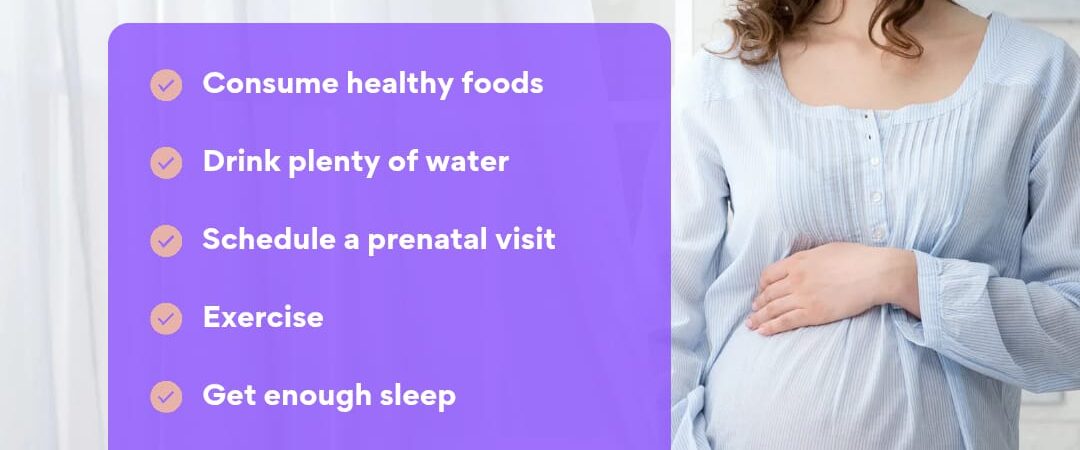
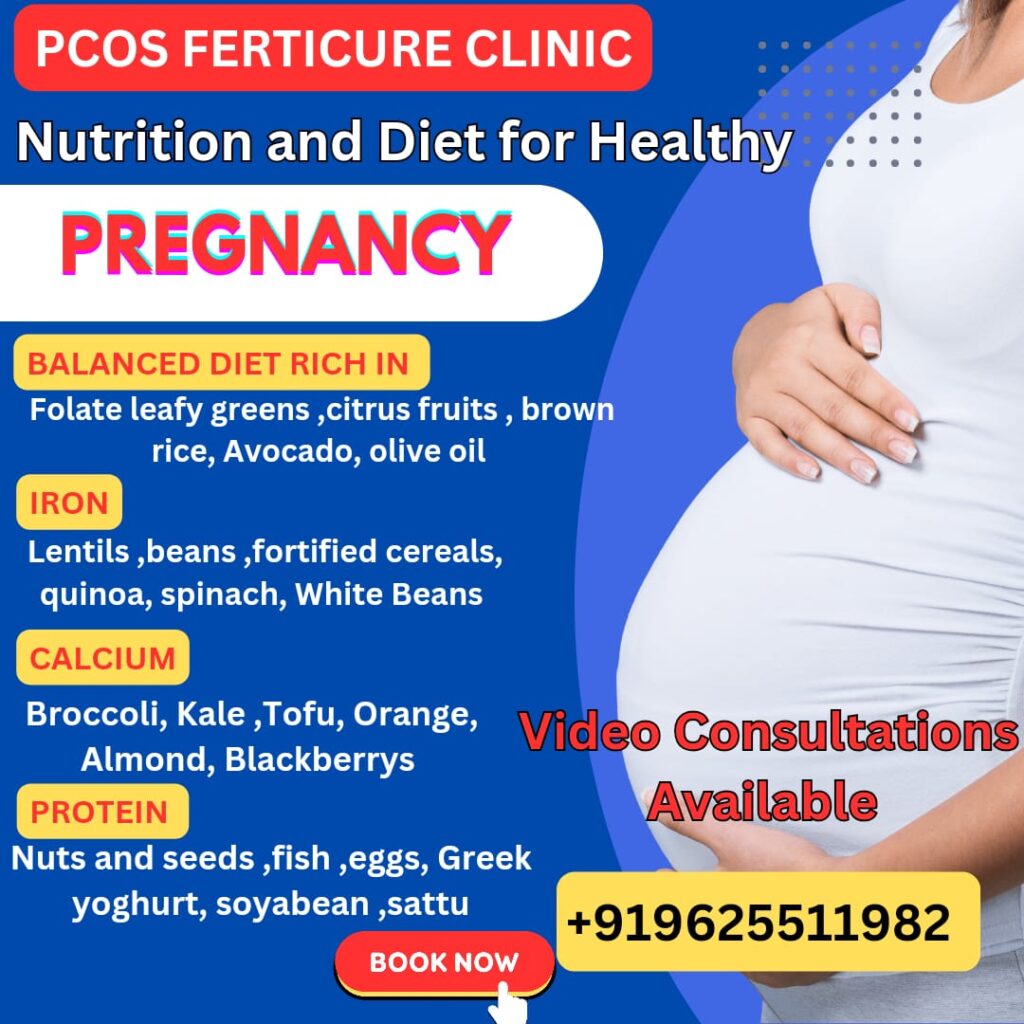
- Healthy Diet: A balanced diet rich in whole grains, lean proteins, and vegetables improves blood sugar levels.
- Regular Exercise: Helps with weight loss management and improves insulin sensitivity.
- Weight Management: Losing 5-10% of body weight can restore ovulation and increase pregnancy chances.
- Smoking & Alcohol Reduction: Eliminating smoking and reducing alcohol intake improves reproductive health.
- Adequate Sleep & Stress Management: Ensuring 7-9 hours of sleep and practicing stress-reducing activities like yoga or meditation.
2. Medical Treatments
- Ovulation Induction: Medications like Clomid (clomiphene citrate) or Letrozole help stimulate ovulation.
- Insulin-Sensitizing Medications: Metformin can improve insulin resistance and restore ovulation in some women.
- Hormonal Therapy: Treatments to balance oestrogen, androgens, and progesterone levels.
- Fertility Medications & Injections: Injectable gonadotropins (FSH & LH) help induce ovulation in severe cases.
- Surgical Options: Laparoscopic ovarian drilling (LOD) may be considered if medication fails.
- In Vitro Fertilization (IVF): An effective fertility treatment for PCOS patients who do not respond to other interventions.
3. Preconception Health Check
- General Health Check: Consulting a general practitioner (GP) or reproductive specialist.
- Hormone & Blood Tests: To assess levels of FSH, LH, insulin, and androgen hormones.
- Ultrasound Scan: To examine ovaries and detect cysts on ovaries.
- Mental Health Support: Counseling or psychologist consultation to manage emotional well-being.
Final Thoughts
- PCOS can make pregnancy planning challenging, but with early diagnosis, lifestyle changes, and fertility treatments, successful conception is possible.
- Seeking reproductive health guidance and medical support is essential to improve pregnancy success and ensure a healthy outcome.
- If you have concerns about fertility management, consult a PCOS specialist to explore your options.
Let me know if you need any refinements! 🚀